What records to keep
The IRS says your records must support the income and deductions on your return. Its recordkeeping pages (opens in a new tab) and Publication 583 (opens in a new tab) list the kinds of documents that do that:
- Receipts and invoices showing the amount, the seller, the date and what was bought.
- Bank and credit card statements.
- Canceled checks or other proof of payment.
- For travel, meals and gifts, notes on the business purpose and who was involved.
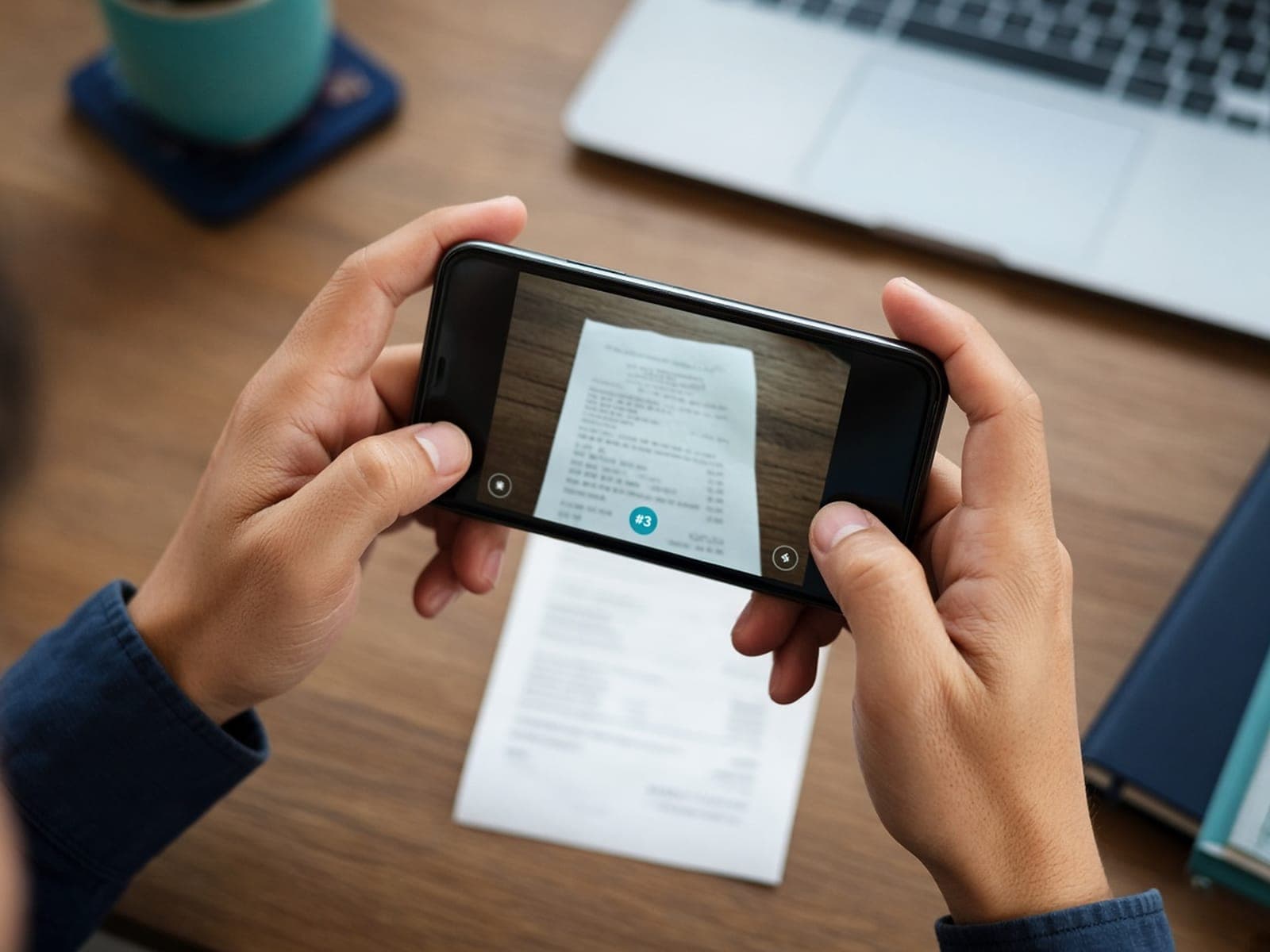
Digital copies are widely used. If you scan or photograph receipts, make sure the image is readable and stored somewhere backed up.
How long to keep them
The IRS sets how long records should be kept, and the period can be longer in some situations, such as for property or employment records. Check its recordkeeping guidance for the period that applies, rather than relying on a rule of thumb.
Ways to capture expenses
- A dedicated business account and card: every transaction is already a business one. See separating your finances.
- Receipt-capture apps: photograph a receipt and attach it to the transaction.
- Bookkeeping software with bank feeds: transactions import automatically and you categorize them.
- A spreadsheet: workable for a very small business with few transactions, as long as you keep it up.
When choosing an app, read its privacy terms. Expense apps see a lot of financial detail, and some share or sell data.
Categorizing expenses
Sort spending into categories that match how you file. Sole proprietors often mirror the expense lines on Schedule C; other businesses use the chart of accounts in their bookkeeping software. Common categories include:
- Advertising and marketing
- Supplies and materials
- Rent and utilities
- Software and subscriptions
- Travel and meals
- Vehicle expenses
- Contract labor
- Professional fees, such as legal and accounting
Which expenses are deductible, and how much, is a tax question. IRS Publication 334 (opens in a new tab) explains business expenses for sole proprietors in general terms, and a tax professional can apply the rules to your business.
Tracking mileage
If you use a vehicle for business, keep a log made at or near the time of each trip, showing the date, destination, business purpose and miles driven. The IRS generally allows either a standard mileage rate or your actual vehicle expenses, with rules about when each can be used. The IRS publishes the current standard mileage rates (opens in a new tab).
Some owners use a phone app that records trips automatically; others keep a notebook in the car. Either works if it is complete and kept as you go.
A simple weekly routine
- Once a week, open your bookkeeping or spreadsheet and categorize new transactions.
- Attach a receipt or note to each one, especially meals, travel and anything unusual.
- Flag any personal spending that slipped into a business account and record it as an owner’s draw or reimbursement.
- Once a month, reconcile each account against its statement so your records match the bank.
The SBA’s manage your finances (opens in a new tab) guide covers the wider picture, and our bookkeeping basics guide explains reconciliation and the financial statements your records feed.
Red flags
- Mixing personal and business spending in the same account or card.
- No receipts or notes for meals and travel.
- Months of uncategorized transactions waiting for tax season.
- Apps with unclear privacy terms.
Frequently asked questions
Do I need to keep paper receipts?
The IRS accepts records that support your income and deductions, and many businesses keep readable digital copies. Check the IRS recordkeeping guidance and keep backups.
What expenses are deductible?
In general terms, the IRS looks at whether an expense is ordinary and necessary for your business, with special rules for some categories. IRS publications and a tax professional can tell you how the rules apply to you.
What is a good way to track mileage?
Keep a log made at the time of each trip with the date, destination, business purpose and miles, on paper or in an app. The IRS publishes the current standard mileage rate.
How long should I keep business records?
It depends on the record and your situation. The IRS explains the periods in its recordkeeping guidance, and some records need to be kept longer than others.